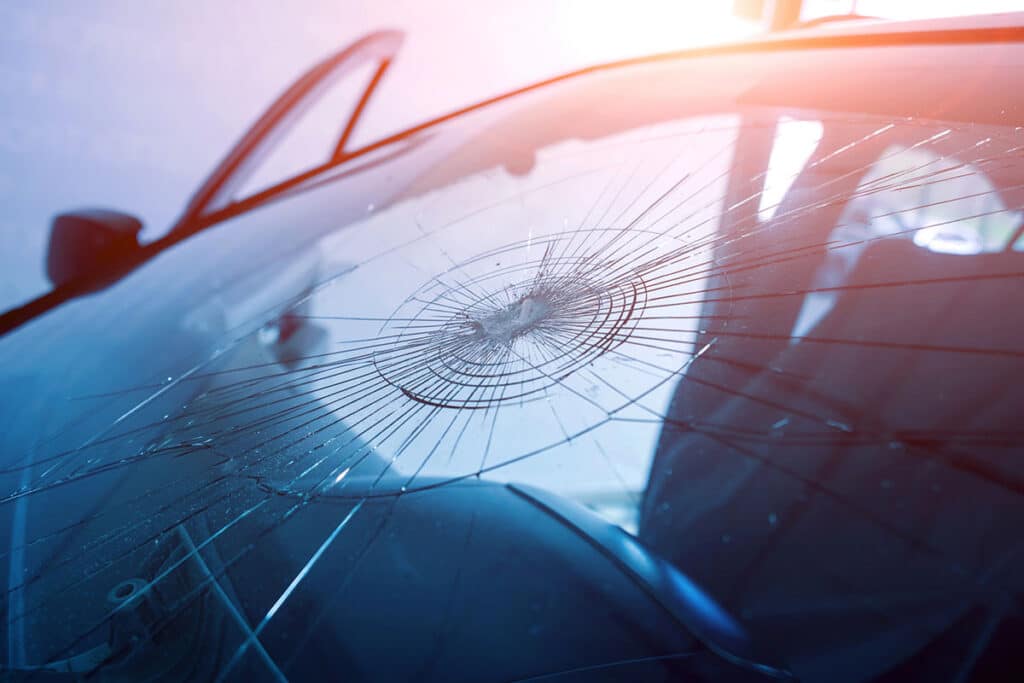
Driving along Interstate 35 through San Marcos is part of the daily routine for thousands of commuters, students, and local business professionals. It connects Austin to San Antonio and stays crowded with regular traffic, heavy commercial freight, and ongoing infrastructure construction. Add highway speeds and loose gravel from construction zones, and rock chips stop feeling random. For many local drivers, they’re an almost inevitable part of using I-35.
When a stray pebble smacks your glass, that sharp cracking sound creates an immediate decision point. Do you need a quick repair, or are you dealing with a full windshield replacement? Knowing how to judge auto glass damage can save substantial money, but it’s not only about cost. The windshield also helps protect your vehicle structural integrity, and on many newer vehicles it sits in front of cameras tied to safety systems, so the right call matters on the highway.
Table of Contents
Why I-35 Is a Hotspot for Windshield Damage
The stretch of I-35 running through San Marcos creates a rough mix of conditions that speeds up auto glass damage. Freight trucks hauling building materials often kick up loose debris at speeds exceeding 65 miles per hour. When a small piece of gravel hits your glass that fast, the impact force gets concentrated on a tiny surface area, which is why even a pebble can leave damage that looks much bigger than it should.
Texas heat does a lot of the follow-up damage. We see severe temperature swings, especially during summer months, and windshield surface temperatures can exceed 130 degrees Fahrenheit on a vehicle parked in direct sun. Turning on your vehicle air conditioning then creates a rapid thermal shift between the hot exterior glass and the colder interior cabin side. That thermal stress can push microscopic stress cracks inside a rock chip across the entire windshield, sometimes overnight.
Road vibrations from high-speed driving over expansion joints and uneven pavement add another layer of stress to damaged glass. A minor chip that might stay stable on city streets can spread quickly once it is subjected to the constant shake and flex of a daily I-35 commute.
Assessing the Damage: When Can a Rock Chip Be Repaired?
When the structural damage meets the right criteria, repair is usually the most economical and efficient first choice. Professional windshield repair involves injecting a high-grade, optical-quality resin directly into the point of impact, often after pulling trapped air out of the break. Once cured under ultraviolet light and polished, the resin bonds the glass layers back together, restoring structural integrity and clarity. In real-world terms, the blemish may still be faintly visible, but the repair can stop the damage from spreading and save you from paying for a full replacement.
Size and Depth Considerations
As a general rule, rock chips smaller than a quarter can usually be repaired, but size is only the first check. The depth of the damage matters just as much. Windshields are made of laminated safety glass, with two layers of glass and a clear polyvinyl butyral (PVB) layer sandwiched between them. If the damage only penetrates the outer layer of glass, repair is highly effective. If it reaches deeper, starts running, or gets too close to the edge, replacement is usually the safer bet.
Types of Repairable Chips
- Bulls-Eye: Circular damage caused by a smooth, rounded object, leaving a distinct dark ring around the impact site. If it stays small and contained, this is often one of the more straightforward repair patterns.
- Star Break: Small, short cracks radiating outward from the central impact point. These can often be repaired when the legs stay short, but they tend to spread faster in Texas heat and under highway vibration.
- Combination Break: A chip pattern with a central impact point and star cracks running outward, often after a harder gravel hit at highway speed.
- Half-Moon: Partial circular damage from an off-center impact, where the break looks like half of a bullseye instead of a full ring.
Location Factors
Where the chip sits matters as much as its size. If it lands in the driver’s main line of sight, replacement is often the safer recommendation. Even with a professional resin fill, the repair usually removes only about 80 to 90 percent of the distortion, and the remaining flaw can still catch headlights or blur in heavy rain on an I-35 commute.
Signs You Need a Full Windshield Replacement
Rock chip repair works well for small, contained damage, but some kinds of windshield damage are past the point of safe repair. A windshield does more than block wind and debris; it also contributes to cabin rigidity and proper airbag support. Once the glass has crossed those safety limits, patching it anyway leaves vehicle occupants taking a risk they do not need to take.
Long Cracks and Spreading Damage
Any single crack longer than six inches, about the length of a standard dollar bill, usually calls for a complete windshield replacement. Beyond that size, resin has a much harder time restoring the glass’s strength across the full break, which leaves the windshield more likely to keep spreading or shatter under heat, road vibration, or a hard jolt.
Edge Damage
Damage within two inches of the windshield’s outer edge is a serious structural problem. That perimeter is bonded directly to the vehicle frame with polyurethane adhesive, and it is the part of the glass that helps the windshield stay secure in the body opening. Once a crack reaches the outer edge, stress no longer spreads evenly across the pane, so a repair becomes unreliable and unsafe.
Deep Penetration and Multiple Chips
If an impact punches through the outer glass layer and the internal PVB plastic layer, repair is no longer an option. The PVB layer is the laminate that helps keep the windshield together, so once it is breached, the damage is deeper than a resin fill can fix. The same goes for a windshield with more than three or four distinct rock chips: at that point, the overall structural integrity of the pane is too compromised, and full replacement is the safer call.
Evaluating Repair vs. Replacement
Knowing when a chip can be repaired and when the windshield needs to be replaced helps I-35 commuters make faster, more cost-aware decisions for their vehicles. It can also keep you from paying for a repair that was never likely to hold, or from letting a manageable chip turn into a bigger safety problem.
| Feature | Rock Chip Repair | Full Windshield Replacement |
| Service Duration | 20 to 30 minutes | 1 to 2 hours (plus drive-away cure time) |
| Typical Cost Range | $50 to $100 | $250 to $800+ (varies by make/model and ADAS) |
| Insurance Coverage | Often 100% covered under comprehensive plans with waived deductibles | Subject to standard comprehensive deductible |
| Glass Retention | Preserves original factory seal | Replaces factory seal with fresh adhesive bond |
| Ideal Damage Type | Small chips, star breaks, under 1 inch | Cracks over 6 inches, edge chips, deep punctures |
Practical Steps to Take Immediately After a Rock Impact
If your windshield is struck while driving on I-35, what you do next matters. Quick action can keep a small, repairable chip from spreading into the kind of damage that forces an expensive full windshield replacement, especially in San Marcos heat and highway vibration.
- Cover the Damage: As soon as you park, place a piece of clear packaging tape over the exterior chip. That simple step keeps dirt, water, and car wash chemicals out of the impact area, which gives the repair resin a clean surface to bond with instead of sealing contamination into the glass.
- Avoid Sudden Temperature Changes: Do not blast the defrost on high or wash your car with cold water on a hot San Marcos afternoon. Rapid thermal shifts make the glass expand and contract unevenly, and that stress can push a small chip into crack expansion.
- Drive Cautiously: Avoid aggressive driving, keep speeds down on rough roads, and do not slam the doors. Every hard jolt sends shockwaves through the windshield frame, and that vibration can turn a small chip into a larger crack before you get it repaired.
- Get it looked at by a professional as soon as you can. On I-35, road vibration, Central Texas heat, and even cold A/C hitting hot glass can turn a repairable chip into a spreading crack if it sits too long.
FAQs
Can a small windshield chip spread almost immediately while you’re driving on I-35?
Yes. At highway speed on I-35, road vibration, heat stress, and cold cabin air hitting hot glass can turn a small chip into a full crack within minutes.
Will my auto insurance pay for rock chip repair?
Often, yes. Under comprehensive coverage, it is common for insurers to cover 100 percent of a rock chip repair and waive the deductible, because a small glass repair costs far less than a full windshield replacement later. Check your policy for the exact terms.
How long does rock chip repair usually take?
A professional rock chip repair usually takes 20 to 30 minutes. Once the resin is injected and cured under UV light, the vehicle is typically safe to drive right away, which is why many shops can finish it while you’re at work or on a lunch break.
Will the rock chip disappear completely after it’s repaired?
Not always. Resin injection restores structural strength and clears up most visual damage, but a faint mark or watermark can still remain, depending on how severe the original damage was. That is especially common with a deeper bullseye or star break.
Is it safe to drive with a cracked windshield in Texas?
Driving with a cracked windshield can be unsafe. In Texas, it is not automatically a ticket, but it can become one if the damage blocks the driver’s clear view of the road or causes the wiper blades to tear or lose contact with the glass.
Keeping Commuters Moving Safely
Daily traffic on I-35 already demands your attention, especially around trucks, construction zones, and sudden slowdowns. Clear, structurally sound auto glass helps keep your sightline clean and supports the windshield’s safety role, so catching a rock chip early often means a fast, lower-cost repair before heat, rain, and road vibration turn minor damage into a full replacement.
Whether you need a quick repair on your lunch break or a full windshield evaluation, handle it before the next I-35 drive. Mobile glass service can often meet you at home or work, and getting the damage checked early is the simplest way to keep your vehicle safe and ready for the highway ahead.